

If you live or work in Rhode Island, workers’ compensation isn’t just an after thought, it is a legal safety net that protects nearly every employee and employer in the state. When accidents happen on the job or illnesses develop because of work conditions, this system steps in with financial support and medical care.
But what exactly are the requirements, who’s covered, and what should you do if your claim is denied?, to all about the Workers Compensation Requirements in Rhode Island; read the complete post below.
Rhode Island Workers Compensation Requirements
Rhode Island’s Workers’ Compensation system ensures injured employees get fast medical care, wage replacement, and rehabilitation. It is a safety net funded by employers, designed to keep workers secure and businesses legally protected after job-related injuries.
Every Rhode Island employer must carry workers’ comp coverage. It prevents costly lawsuits while guaranteeing fair compensation for injured workers. Failing to insure isn’t just risky, it is violation that can bring heavy penalties.
From new rules for independent contractors to higher wage-replacement formulas, Rhode Island’s 2025 compensation laws are tightening. Stay informed, report injuries promptly, and verify that your employer or insurer meets every coverage requirement.

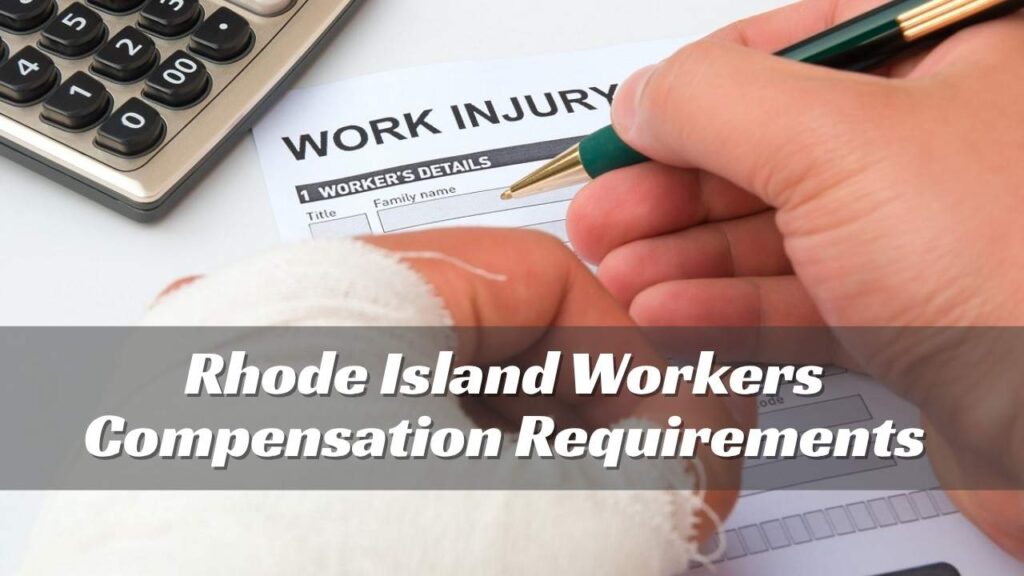
RI Workers Comp
| Program Type | State-mandated insurance funded by employers |
| Purpose | Covers medical costs, lost wages, and rehab for job-related injuries |
| Coverage Required For | All employers with one or more employees |
| New 2025 Updates | Independent contractors must register annually; updated wage formulas |
| Claim Process | Report injury, Receive medical care, Insurer review, & Benefits or appeal |
| Admin Authority | RI Department of Labor & Training – Workers’ Compensation Division |
| Legal Benefit | Workers get guaranteed aid; employers gain immunity from most lawsuits |
| Rehab Support | Robert F. Arrigan Rehabilitation Center offers physical and vocational recovery |
| Contact Info | Education Unit -(401) 462-8100 & dlt.wcedcunit@dlt.ri.gov |
| Pro Tip | Always review insurer paperwork – “Non-Prejudicial” means claim not yet accepted |
What Is Rhode Island Workers’ Compensation?
Workers’ Compensation in Rhode Island is a state-mandated insurance program paid for by employers. Its main purpose is to provide money and medical benefits to employees who are injured or fall ill due to their job. So one can say that it is a protection plan for both sides.
| For Workers | For Employers |
|---|---|
| Covers medical care, lost wages, and rehabilitation. | Protects employers from lawsuits related to workplace injuries. |
| Offers benefits for permanent disability or death. | Provides a predictable, limited liability system. |
| Ensures dependents get financial support if a worker dies on the job. | Keeps insurance costs balanced through structured benefits. |
In short – workers get paid, employers get protection, and the state ensures everyone plays by the rules.
The Purpose Behind Program
The goal of Rhode Island’s workers’ compensation law is simple, to prevent financial hardship when a worker’s income stops due to an injury, illness, or death caused by work.
It gives peace of mind to families and stability to businesses. It is not about lawsuits; it’s about security and speed, making sure workers get what they need without long court battles.

Rhode Island Workers Compensation All Updates
| Update | Effective Date / Detail |
|---|---|
| Discontinued “Intermediate Spendable Base Wage” | 1, January 2022 |
| New compensation formula (62% of average weekly wage) | Ongoing |
| Annual COLA (Cost of Living Adjustment) increase announced | January 2025 |
| Independent contractor registration requirement | January 2024 |
| Updated medical and hospital fee schedules | Current year |
The DLT’s ongoing information letters ensure workers and employers always know the latest rates and procedural changes.
How Employer Liability Works?
Here is interesting part – while injured workers receive benefits, employers are shielded from most lawsuits. That’s because Rhode Island’s workers’ compensation system is built on a concept called “exclusive remedy.”
What this means –
- Employers who provide valid workers’ comp coverage are generally immune from being sued for workplace injuries.
- In exchange, workers automatically receive benefits through the insurance program.
It is a trade-off that keeps the system moving efficiently, though disputes still happen, as we will explain below.

Not All Payments Equal Acceptance
Just because your insurance carrier or employer pays some medical bills or weekly benefits doesn’t mean your claim will legally accepted.
Many workers receive something called a Non-Prejudicial Agreement, a temporary payment that lets insurers cover costs without admitting legal responsibility.
If you receive a Non-Prejudicial Agreement, it is a red flag to contact an attorney immediately. These agreements allow the insurer to stop payments later, often without notice.
A good Rhode Island workers’ compensation lawyer can help determine whether your claim is fully recognized or still in a gray area.

Commonly Covered Injuries & Situations
Workers’ comp isn’t just for big accidents or heavy labor injuries. Rhode Island law covers a wide range of work-related conditions and circumstances, even those that happen just outside the main job site. Covered Scenarios Include –
- Injuries on the way in or out of work (the “coming and going” rule).
- Accidents in parking lots, driveways, or sidewalks linked to the workplace.
- Illnesses caused by workplace exposure (like respiratory or repetitive stress injuries).
- Injuries during business travel, workers are typically covered 24/7 during the trip.
- Errands or deliveries done as part of job duties.
Note – If your injury happened while performing a work-related task, even slightly outside the building; it’s often covered.
For Independent Contractors: New Rules in 2025
Starting 1st January 2024, independent contractors in Rhode Island must file an annual registration for each entity they work with. This ensures transparency and protects contractors from being misclassified as employees or left without coverage.
| Independent Contractor Rules | Effective Date |
|---|---|
| Annual registration with DLT required | 1, January 2024 |
| One registration per employer/entity | Continuous relationship |
| Misclassification penalties apply | Ongoing enforcement |
This update came from Information Letter 25-02, reflecting Rhode Island’s move toward stricter oversight and worker protection.

For Employees: Know Your Rights
If you are an employee in Rhode Island, you have strong legal protections. Here’s what are your core rights –
- Prompt Medical Treatment – You can choose your doctor and start treatment immediately.
- Wage Replacement – You receive a portion of your lost wages while unable to work.
- Rehabilitation Support – Physical and vocational rehab services help you recover or retrain.
- Job Reinstatement – You may have a right to return to your job within a year after recovery.
- Protection from Retaliation – It’s illegal for employers to punish or fire you for filing a claim.
If your claim is denied, don’t panic, the Rhode Island Workers’ Compensation Court handles appeals, and attorneys can guide you through the process.
For Employers: What You Must Do
Every employer in Rhode Island with one or more employees must carry valid workers’ compensation insurance, no exceptions. Here’s a quick rundown –
| Requirement | Details |
|---|---|
| Insurance Coverage | Must be maintained year-round for all eligible workers. |
| Injury Reporting | Nonfatal injuries: within 10 days. Fatal injuries: within 48 hours. |
| Workplace Notice | Employers must post a workers’ compensation coverage notice. |
| Recordkeeping | Maintain injury reports and wage records for at least 3 years. |
| Compliance Monitoring | The RI DLT audits coverage and can issue fines for noncompliance. |
Note – Penalties for not carrying insurance can include heavy fines, back payments, or criminal charges. Employers can check compliance through the DLT’s Find Coverage service.
The Role of Workers’ Compensation Division
The Workers’ Compensation Division under the Department of Labor & Training (DLT) keeps the entire system running smoothly. Their responsibilities include –
- Monitoring insurance coverage for all employers.
- Ensuring claims are filed and paid correctly.
- Overseeing self-insured employers and uninsured protection funds.
- Investigating fraud and enforcing compliance.
- Managing the Robert F. Arrigan Rehabilitation Center, which provides rehabilitation and vocational support for injured workers.
- Offering educational resources through the Education Unit; including training, webinars, and information letters.
Injured? Here’s What To Do Next
- Report your injury immediately to your employer, in writing if possible.
- Get medical treatment and keep records of every visit.
- Check your employer’s insurer information (should be posted at work).
- Watch for a Non-Prejudicial Agreement, contact a lawyer if you receive one.
- If denied, file an appeal with the Workers’ Compensation Court.
The Real Story on Rhode Island Workers Comp
Rhode Island’s workers’ compensation system is more than a law, it is a lifeline. It ensures that when workers get hurt, they don’t fall through the cracks, and when employers play by the rules, they’re protected from lawsuits.
Whether you are clocking in at a Providence hospital, a Cranston warehouse, or a Newport office; knowing these requirements keeps you covered, confident, and compliant. Stay informed. Stay protected. Because in Rhode Island, workers’ rights matter and so does playing by the rules.


