

Workplace injuries can strike in seconds; a slip on a wet floor, a machine malfunction, or even repetitive strain from daily tasks. No matter how safety-conscious you are, accidents at work can still happen. When they do, knowing what to do in those first few hours can make the difference between a smooth recovery and a stressful claims battle.
This guide breaks down every essential step from medical care to compensation claims; so you can protect your health, your rights, and your paycheck.
Injury at Work? Protect Your Health & Your Rights Fast
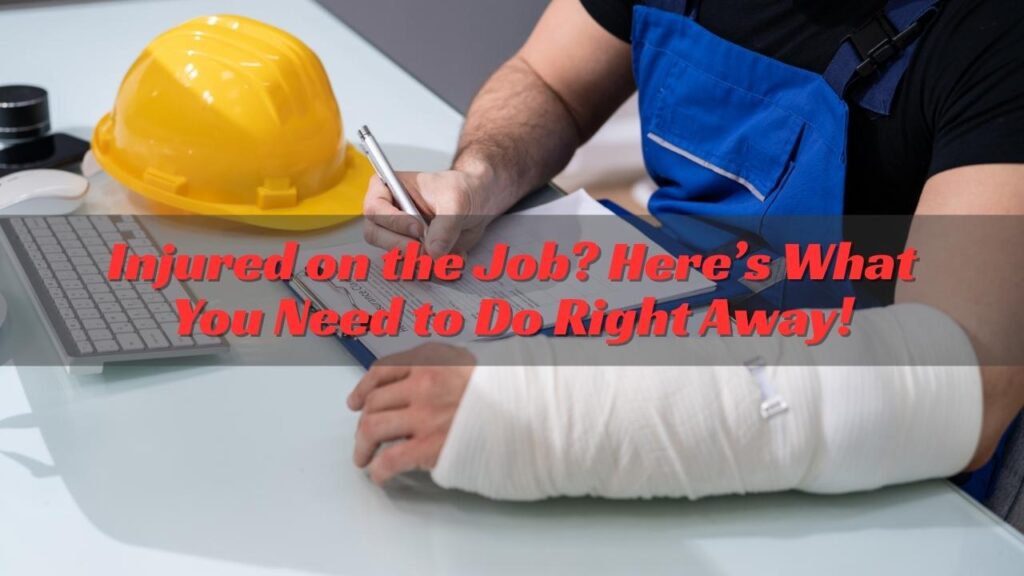
When an on-the-job injury happens, acting fast matters. Report immediately, seek medical care, and document everything. These early steps establish your claim, protect benefits, and set the stage for a smoother compensation process.
Keep all appointments and follow doctors’ orders, insurers use this to gauge your recovery. Stay in touch with your employer and file required paperwork before deadlines. Missing these details can jeopardize your compensation rights.
In 2025, dependence allowances and claim tracking updates are reshaping how workers’ comp works. Legal support becomes crucial when your benefits are delayed, reduced, or disputed. Know these changes and your rights at every step.

Quick Guide For Handling Work Injuries
| Post For | What You Need to Do If Injured on Job? |
| Report Immediately | Protect your rights and create an official record. |
| See a Doctor Fast | Health first; document injury for your claim. |
| Document Everything | Photos, notes, witnesses = solid proof. |
| File Workers’ Comp Claim | Ensure medical bills and lost wages are covered. |
| Keep All Appointments | Shows progress; insurers track your recovery. |
| Meet Deadlines | Missing forms or letters can jeopardize benefits. |
| Update Your Employer | Smooth return to work; show readiness and transparency. |
| Hire a Workers’ Comp Attorney | Navigate disputes, settlements, or complex claims confidently. |
Report Injury – Immediately!
The clock starts ticking the moment an accident happens. Don’t “wait and see” if the pain fades, report your injury as soon as possible to your supervisor or HR department. Your report should include –
- Date, time, and location of the incident
- A short description of what happened
- Names of any witnesses
Pro Tip – Always make the report in writing and keep a copy for yourself. Many workers lose claims because of late or incomplete reporting.
Once you have reported it, your employer will file a workers’ compensation claim with their insurer and give you a claim number to track your case.
Seek Prompt Medical Attention
Even if your injury seems minor, get medical care immediately. Some issues like concussions or back injuries, can worsen with time. You can visit –

- An on-site medical professional (if available)
- An approved workers’ compensation doctor
- A nearby clinic or hospital (especially for urgent injuries)
Your Doctor’s Evaluation Will
- Document the cause and severity of your injury
- Outline your treatment plan
- Indicate whether you can return to work or need rest
Important – Tell your doctor clearly that your injury occurred at work. This ensures all your medical notes, reports, and billing go through the workers’ comp process correctly.
Document Everything – Your Proof Matters
When it comes to workplace injuries, documentation is your best friend. Keep a detailed record of –
| What to Record | Why It Matters |
|---|---|
| Date & Time of Injury | Confirms when it happened |
| Witness Statements | Strengthens your claim |
| Photos/Videos of Scene | Visual proof for insurers |
| Medical Bills & Reports | Supports compensation |
| Employer & Insurer Communication | Tracks progress |
You can also maintain a personal recovery journal; note your pain levels, treatments, and how the injury affects your work or daily life. This personal record can be invaluable if your case is disputed.
Know the Deadlines
Workers’ compensation has strict time limits; miss one, and you could lose your benefits. Here’s a quick summary –

| Action | Typical Deadline* |
|---|---|
| Notify Employer | Within 24 – 48 hours |
| File Workers’ Comp Claim | Within 30 days |
| Submit Medical Reports | As advised by provider |
| Respond to Insurer Requests | Immediately |
Deadlines vary by state. Always confirm your local regulations or consult a legal expert. If your insurer asks you to attend an Independent Medical Examination (IME) or provide additional paperwork, don’t delay. Late responses can stall or void your claim.
Understand Your Rights Under Workers’ Compensation
Most employees are covered by workers’ compensation laws, these ensure you receive financial and medical benefits after a work-related injury, regardless of fault. You may eligible for –
- Medical expense coverage (hospital, therapy, rehab).
- Wage replacement while you’re unable to work.
- Permanent disability benefits, if applicable.
- Job rehabilitation assistance.
- Death benefits for dependents (in severe cases).
Note – Workers’ comp usually doesn’t cover pain and suffering, but it does secure your income and care during recovery. If your employer or their insurer disputes your claim, you have the right to appeal or seek legal representation.
Stay Consistent With Medical Care
Never skip medical appointments, each visit helps prove you are actively recovering and following professional guidance.

Your healthcare provider must also send progress reports to your employer’s insurer. Missed appointments or gaps in treatment could raise red flags in your case.
If your doctor modifies your treatment or recommends light-duty work, share those updates with your employer right away.
Communicate About Returning to Work
Once your doctor clears you for work, your employer should receive a formal return-to-work note. If your injury prevents you from performing your old duties, your employer may:
- Offer a modified or light-duty role
- Adjust work hours temporarily
- Reassign you to a different position
Stay transparent with your employer and insurer, it keeps the process smooth and avoids disputes.

Seek Legal Guidance When Needed
Most claims go through without issue but not all. If your benefits are delayed, reduced, or denied, or if your employer retaliates against you for filing, contact a workers’ compensation attorney. An experienced lawyer can –
- Review your claim paperwork.
- Ensure deadlines and requirements are met.
- Negotiate a fair settlement.
- Represent you in hearings or appeals.
Pro Insight – Even if your claim is approved, legal advice can help you understand long-term entitlements like disability benefits or lump-sum settlements.
Learn & Prevent Future Accidents
Every workplace incident offers lessons. After recovery, help make your workspace safer:
- Participate in safety audits and risk assessments.
- Suggest better protective equipment.
- Report hazards immediately.
- Encourage colleagues to follow safety rules.
Prevention protects not just you, but everyone in your team.
Protect Yourself Before You are Hurt
No one plans to get injured at work but being prepared can protect your health and financial stability. From prompt reporting to consistent follow-ups, your actions shape your compensation outcome.
Remember; you are not just protecting your paycheck, you are protecting your future. So if you are ever injured on the job, act fast, document everything, and know your rights. That’s how you turn a workplace setback into a strong recovery story.


